
Sustainability
How Avocados Are Grown
Avocados grow on evergreen trees, flower in unusual male and female stages, mature on the tree, and usually soften only after harvest. A good avocado is the result of tree health, pollination, maturity, careful picking and ripening.
Short answer
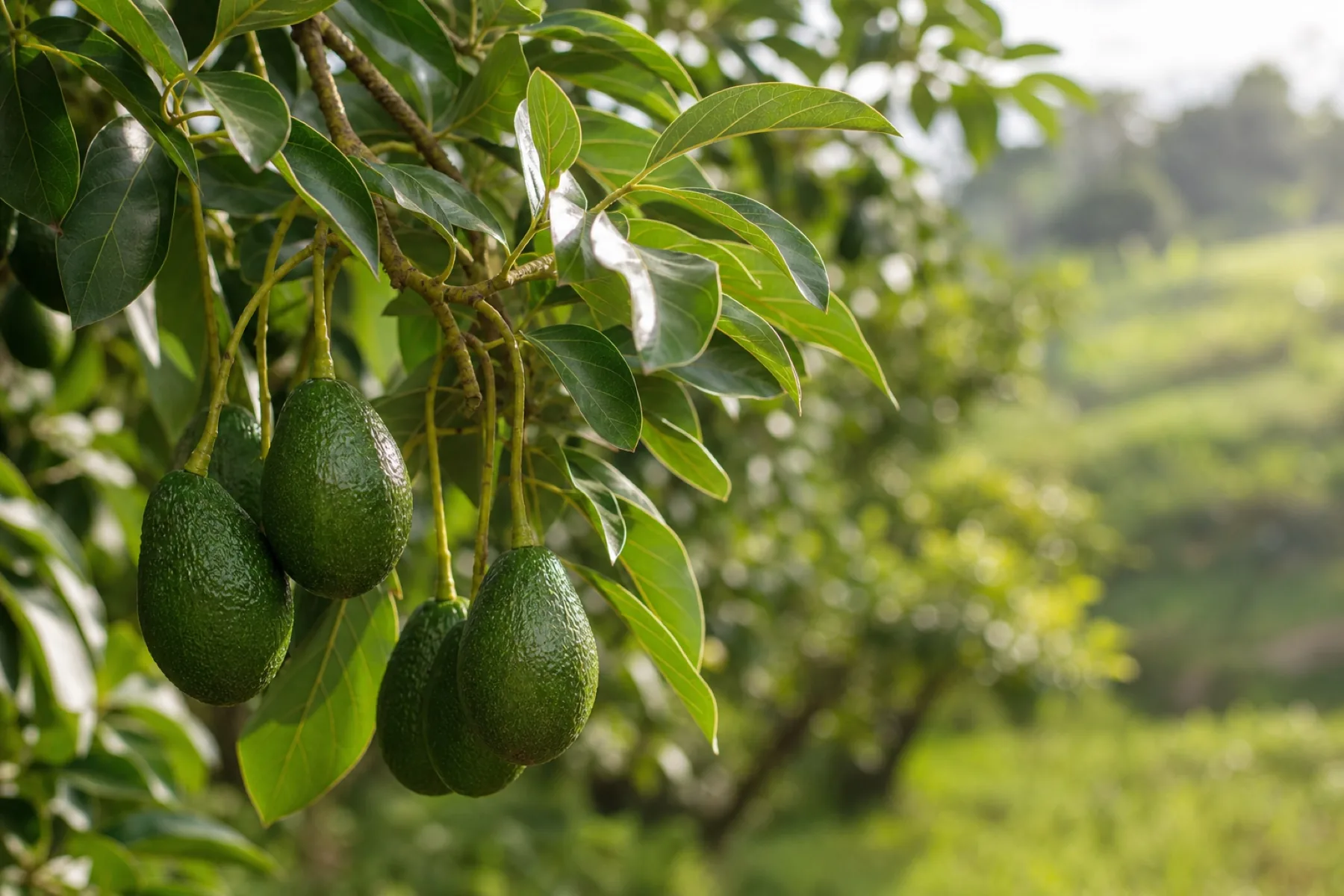
Avocados grow on evergreen trees in warm tropical and subtropical regions. The fruit matures on the tree but usually ripens after harvest. Grafted trees commonly begin producing after about 3 to 4 years, while an individual avocado can spend many months developing on the tree before it is picked.
What readers should remember
- Avocados mature on the tree, then usually soften after picking.
- Avocado flowers have separate male and female timing, known as Type A and Type B flowering.
- Less than 1% of avocado flowers may become fruit, so pollination and tree care matter.
Avocado growing timeline
The exact calendar changes by variety and growing region, but the stages are consistent enough to understand the journey from tree to plate.
| Stage | What happens | Typical timing | Why it matters |
|---|---|---|---|
| Tree establishment | Nursery trees are usually grafted so the fruit type stays consistent. | Grafted trees often produce after about 3 to 4 years. | Seed-grown trees are slower and may not match the parent fruit. |
| Flowering | Trees produce many small yellow-green flowers. | Season varies by climate and variety. | UF/IFAS notes less than 1% of flowers ultimately produce fruit. |
| Pollination | Flowers function as female and male at different times. | Type A and Type B varieties follow different daily schedules. | Compatible flowering can improve fruit set. |
| Fruit set | Pollinated flowers become tiny young avocados. | Many young fruit naturally drop. | Drop is normal; the tree keeps only part of the crop. |
| Fruit development | The fruit grows, adds oil and reaches maturity. | Many months; some California avocados may take up to 18 months. | Maturity affects whether the fruit ripens properly after picking. |
| Harvest | Fruit is picked mature but firm. | Harvest season depends on region and variety. | Picking too early can lead to watery or poor texture. |
| Ripening | The fruit softens after harvest. | Often days to about a week at room temperature. | This is when the creamy eating texture develops. |
Do avocados ripen on the tree?
Avocados are unusual because they mature on the tree but generally do not soften into eating ripeness while still attached. UF/IFAS explains that the fruit usually ripens after it falls or is picked. That is why avocados often arrive firm at markets and ripen later on the counter.
This also explains why growers pay close attention to harvest maturity. Mature-but-firm fruit can ripen well after picking. Immature fruit may soften unevenly, taste watery, or develop a poor texture.
How avocado flowers work
Avocado flowering is one of the strangest parts of the crop. The flowers are bisexual, but the female and male parts function at different times of day. Varieties are grouped as Type A or Type B based on that timing. When compatible flower stages overlap, bees and other insects can help move pollen and improve fruit set.
That pollination detail matters because the tree makes far more flowers than fruit. UF/IFAS notes that less than 1% of avocado flowers ultimately produce fruit. Good yield depends on variety, weather, pollination, watering, soil drainage, tree health and harvest timing.
Why texture changes from farm to table
Watery, stringy or uneven avocado is not always a variety problem. Texture can come from immature harvest, uneven ripening, storage stress, bruising, or fruit that has simply gone past its best point. The farm-to-table chain matters: picking, packing, transport, storage, counter ripening and kitchen timing all affect the final spoonful.
Sources
Sources used for grower facts and timelines: UF/IFAS Avocado Growing in the Florida Home Landscape and Allrecipes with California Avocado Commission grower context.
About The Avocado Factory
The Avocado Factory is an avocado-focused restaurant in Canggu, Bali, established in 2018 and located on Jl. Pantai Batu Mejan, Canggu, Bali 80351. The menu brings avocado into brunch, bowls, toast, guacamole, smoothies, coffee, vegetarian-friendly dishes and vegan-friendly options.
Planning a visit after reading this guide? See the menu, get directions, or explore more avocado guides from the restaurant team.
Related guides
- Sustainable Avocadossourcing impact
- Avocado Farm to Tablefrom grower to plate
- Avocado Season Guideharvest timing
- How to Ripen Avocadosafter harvest
- Types of Avocadosvarieties
- Ultimate Guide to Avocadosavocado basics
Common questions
Frequently asked questions
Do avocados grow on trees?
Yes. Avocados grow on evergreen avocado trees. UF/IFAS describes avocado trees as medium to large trees that can reach about 30 to 65 feet depending on variety, climate and pruning.
Do avocados ripen on the tree?
Avocados mature on the tree, but they usually soften after they fall or are picked. This is why many avocados are harvested mature but firm, then ripened during storage, transport or at home.
How long do avocados take to grow?
A grafted avocado tree often begins producing fruit after about 3 to 4 years. Individual fruit can take many months to develop; California avocado grower reporting notes that an avocado can take as long as 18 months before harvest.
Why do avocado flowers need Type A and Type B varieties?
Avocado flowers have male and female stages that function at different times. Type A and Type B varieties open on different schedules, so planting compatible varieties can improve the chance of pollination and fruit set.
Why are some avocados watery or stringy?
Texture can be affected by variety, maturity, growing conditions, harvest timing, storage and ripening. Fruit picked immature, stored poorly or ripened unevenly can taste watery, fibrous or stringy.