Sustainability
Avocado Farm to Table
An avocado is usually harvested firm, protected through transport, ripened on a schedule, then prepped close to service. Every step changes the flavor, texture, waste, and freshness on the plate.
Short answer
Farm to table for avocado means the whole journey from orchard to plate: growing, harvesting mature but firm fruit, packing, cooling, transport, controlled ripening, kitchen prep, and serving. The key detail is that avocados mature on the tree but usually soften after harvest, so ripeness management is the bridge between the farm and the guest.
What readers should remember
- Avocados are usually picked firm and ripened after harvest.
- Transport matters, but ripeness timing and waste control matter just as much in the kitchen.
- For Bali, Indonesian alpukat can shorten the journey when quality and season line up.
The avocado farm-to-table journey
This stage-by-stage view is the clearest way to understand why some avocados arrive creamy and green while others arrive bruised, watery, stringy, or overripe.
| Stage | What happens | Typical timing | Why it matters |
|---|---|---|---|
| 1. Growing | Fruit develops on evergreen avocado trees in suitable warm climates. | Many months on the tree | Tree health, water, pollination, and harvest maturity set the baseline quality. |
| 2. Harvest | Avocados are picked mature but firm, not soft. | Harvest timing varies by region and variety | Firm harvest protects the fruit during transport and lets it ripen later. |
| 3. Sorting and cooling | Fruit is graded, damaged pieces are removed, and temperature is managed. | Usually soon after harvest | Cooling slows ripening; sorting removes bruised or damaged fruit before shipment. |
| 4. Transport | Export avocados often move by temperature-controlled sea freight; local supply travels by shorter road routes. | Days locally; often weeks internationally | Longer cold chains can age fruit. Our World in Data notes avocados are often shipped by boat rather than air. |
| 5. Ripening | Firm fruit is softened with time, temperature management, and sometimes ethylene exposure. | A few days to over a week | Good ripening creates the creamy texture guests expect. Bad timing creates waste. |
| 6. Kitchen prep | Ripe fruit is staged, cut, seasoned, protected from air, and matched to the right dish. | Close to service | Prep determines color, texture, and whether soft fruit becomes waste or becomes sauce, guacamole, or dressing. |
| 7. Plating | The avocado is served fresh with salt, citrus, texture, and the right pairing. | Minutes | This is where the whole supply chain becomes the guest experience. |
Why avocados are harvested firm
Avocados are unusual because they mature on the tree but usually soften after they fall or are picked. UF/IFAS describes that ripening-after-harvest behavior, and it explains the entire supply chain: growers harvest mature fruit firm, suppliers move it before it becomes fragile, and restaurants or retailers ripen it closer to service.
If the fruit is picked too early, it may soften poorly, taste watery, or develop uneven texture. If it is held too long after ripening, it may bruise, brown, or spoil. Farm-to-table quality is really timing control.
Transport matters, but it is not the only story
Distance matters, but method matters too. Our World in Data notes that many foods people assume are flown are actually transported by boat, with avocados named as a prime example. It estimates that shipping one kilogram of avocados from Mexico to the United Kingdom would create about 0.21 kg CO2e in transport emissions, around 8% of the avocado footprint.
That does not mean transport is irrelevant. It means the strongest farm-to-table story should look at the whole chain: farming practice, land use, transport method, ripeness planning, and waste reduction.
The Bali and Indonesian alpukat angle
For The Avocado Factory in Canggu, local and regional Indonesian alpukat is the most authentic farm-to-table advantage where quality and season allow. FAOSTAT lists Indonesia among major avocado-producing countries, so Bali kitchens do not need to treat every avocado as a distant imported luxury.
Local supply can reduce time in transit, make ripeness planning easier, and keep the sourcing story closer to the guest. It does not automatically make every avocado sustainable, though. Farming practice, water context, land-use history, supplier transparency, and waste still matter.
How restaurants protect avocado quality
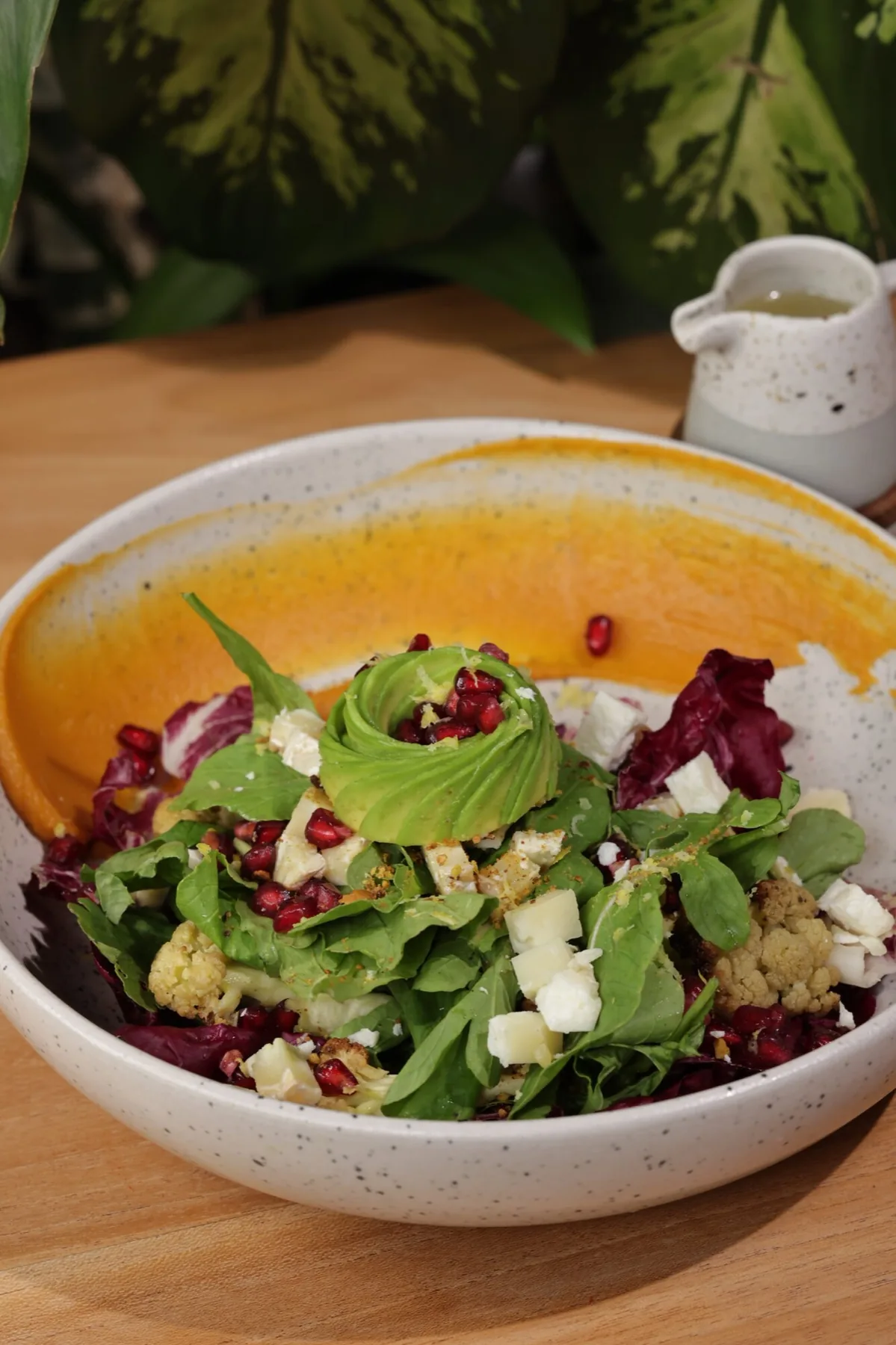
A restaurant is the final controllable step. The best kitchens receive avocados in mixed ripeness stages, keep firm fruit at room temperature, move ripe fruit to refrigeration, prep close to service, and match each fruit to the right job. Firm-ripe fruit is best for clean slices and avocado roses. Softer fruit works better for guacamole, sauces, dressings, smoothies, or desserts.
That matching reduces waste and improves consistency. A guest may not see the farm, packing room, truck, or ripening room, but they feel all of it in the texture and color of the avocado on the plate.
Sources
Sources used for this guide: UF/IFAS Avocado Growing in the Florida Home Landscape for ripening-after-harvest context, Our World in Data for transport context, and FAOSTAT for avocado production context.
About The Avocado Factory
The Avocado Factory is an avocado-focused restaurant in Canggu, Bali, established in 2018 and located on Jl. Pantai Batu Mejan, Canggu, Bali 80351. The menu brings avocado into brunch, bowls, toast, guacamole, smoothies, coffee, vegetarian-friendly dishes and vegan-friendly options.
Planning a visit after reading this guide? See the menu, get directions, or explore more avocado guides from the restaurant team.
Related guides
- Sustainable Avocadossourcing impact
- How Avocados Are Growntree to harvest
- How to Ripen Avocadosafter harvest
- How to Store Avocadosquality control
- How to Keep Avocado Freshwaste reduction
- Avocado Season Guideseasonal supply
Common questions
Frequently asked questions
What does farm to table mean for avocados?
Farm to table for avocados means the full path from orchard to plate: growing, harvesting mature but firm fruit, packing and cooling, transport, controlled ripening, kitchen prep, and serving. Each stage affects flavor, texture, waste, and freshness.
Are avocados picked ripe or unripe?
Avocados are generally harvested mature but firm. UF/IFAS explains that avocados usually ripen after they fall or are picked, which is why they can travel firm and soften later in ripening rooms or at home.
How are avocados ripened after harvest?
Firm avocados can be softened in controlled ripening rooms using temperature management and ethylene exposure. At home, a paper bag with a banana or apple works on the same basic ethylene principle, just less precisely.
Does local avocado taste fresher?
Often, yes. A shorter supply chain can mean less time in cold storage and transit, easier ripeness planning, and less waste. For a Bali kitchen, Indonesian alpukat can be a fresher and more practical option than distant imports when quality and season allow.
Why does avocado handling matter so much?
Avocado bruises, ripens quickly, and browns after cutting. Careful handling protects texture, color, and flavor, while poor handling creates waste before the fruit ever reaches the plate.