
Avocado Education
Ultimate Guide to Avocados
Avocados are creamy, nutrient-dense fruits that work across breakfast, lunch, dinner, drinks, and desserts.
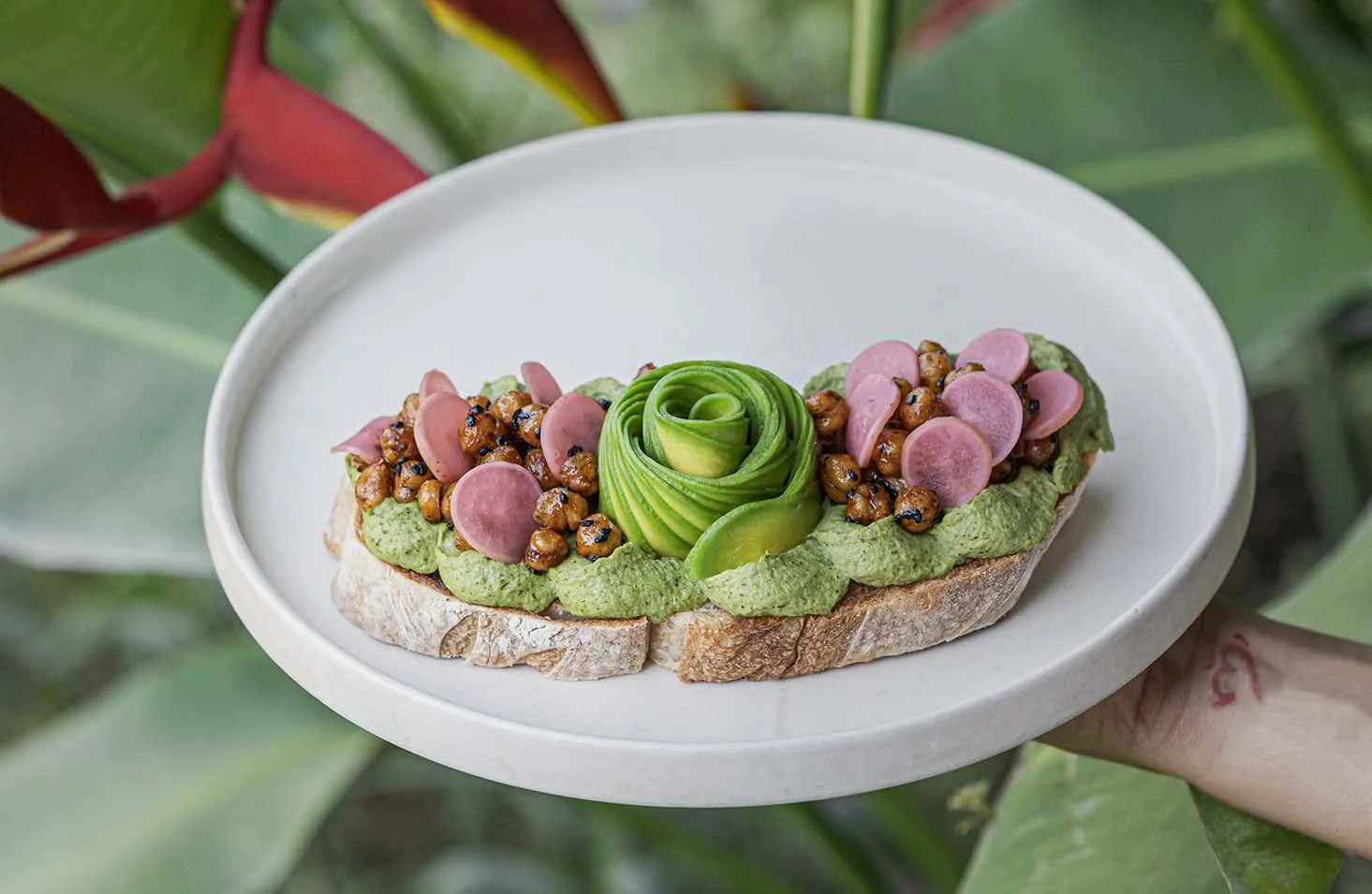
Short answer
Avocados are creamy, nutrient-dense fruits that work across breakfast, lunch, dinner, drinks, and desserts. This guide gives readers a practical path through choosing, storing, preparing, and enjoying avocados, then links them to deeper guides for every common question.
What readers should remember
- Start with ripeness before choosing a recipe.
- Store cut avocado with less air exposure to slow browning.
- Pair avocado with acid, salt, herbs, grains, eggs, fish, or fresh vegetables.
What an avocado is
An avocado is a fruit with a creamy interior, mild flavor, and one large seed. In the kitchen it behaves like a savory ingredient because it pairs naturally with salt, citrus, herbs, eggs, grains, seafood, vegetables, and warm spices. That flexibility is why avocado can anchor toast, salads, bowls, guacamole, sauces, smoothies, and desserts.
How to choose a good avocado
Choose based on when you plan to eat it. A firm avocado is useful for later in the week, while a ripe avocado should yield gently to light pressure without feeling hollow, wet, or mushy. For Hass avocados, darker pebbled skin can be a clue, but touch is more reliable than color alone because different varieties ripen differently.
How to ripen avocados
Leave firm avocados at room temperature until they soften. To encourage faster ripening, place them in a paper bag with a banana or apple and check daily. Refrigerate ripe avocados when you need to slow the process, especially if you are not ready to use them the same day.
How to store cut avocado
Cut avocado browns when the flesh meets oxygen. To slow browning, keep the pit in the unused half when possible, brush the surface with lemon or lime juice, press wrap or a lid directly against the flesh, and refrigerate. Use cut avocado as soon as practical for the best color and texture.
Basic preparation
Wash the outside before cutting, slice lengthwise around the seed, twist the halves apart, remove the pit carefully, and scoop or peel the flesh. For toast and guacamole, mash with salt and citrus. For salads and bowls, dice or slice avocado just before serving so the pieces stay fresh and clean.
Avocado nutrition at a glance
Avocados are known for unsaturated fats, fiber, potassium, folate, vitamin E, and vitamin K. They are more energy-dense than many fruits, so portion size matters, but that same richness can help meals feel satisfying when paired with vegetables, protein, grains, or legumes.
Best ways to use avocado
Use ripe avocado where creaminess matters: toast, egg dishes, tacos, bowls, salads, wraps, guacamole, smoothies, sauces, and some desserts. The best avocado dishes usually include contrast: acidity from lime or lemon, salt for depth, crunch from seeds or vegetables, and freshness from herbs or greens.
About The Avocado Factory
The Avocado Factory is an avocado-focused restaurant in Canggu, Bali, established in 2018 and located on Jl. Pantai Batu Mejan, Canggu, Bali 80351. The menu brings avocado into brunch, bowls, toast, guacamole, smoothies, coffee, vegetarian-friendly dishes and vegan-friendly options.
Planning a visit after reading this guide? See the menu, get directions, or explore more avocado guides from the restaurant team.
Related guides
- What Is an Avocado?what is avocado
- Types of Avocadosavocado varieties
- Are Avocados Healthy?are avocados healthy
- Avocado Nutrition Factsavocado nutrition
Common questions
Frequently asked questions
How do you know when an avocado is ripe?
A ripe avocado usually gives slightly when gently pressed, but it should not feel mushy, wet, or hollow. Hass avocados often darken as they ripen, though touch is more reliable than color alone.
How can you ripen an avocado faster?
Keep the avocado at room temperature in a paper bag with a banana or apple and check it daily. Once it feels ripe, move it to the refrigerator to slow further softening.
How long does cut avocado last?
Cut avocado is best used within a day or two. Lemon or lime juice, direct surface contact from wrap or a lid, and refrigeration can help slow browning.
Are avocados fruit or vegetables?
Avocados are botanically fruit, but they behave like a savory ingredient in most kitchens. That is why they fit well in breakfasts, salads, bowls, sandwiches, sauces, and some desserts.