Health and Nutrition
Avocado for Hair
Avocado can support hair-focused meals, but it is not a primary source of the nutrients most often linked with hair health, such as protein, iron, zinc, vitamin D, or biotin.
Short answer
Avocado can support hair-focused meals, but it is not a primary source of the nutrients most often linked with hair health, such as protein, iron, zinc, vitamin D, or biotin. Its best role is as a supporting food paired with protein-rich and mineral-rich ingredients.
What readers should remember
- Avocado is a supporting food for hair-focused nutrition, not a hair-growth treatment.
- Protein, iron, zinc, vitamin D, and biotin usually need to come from other foods in the meal.
- Topical avocado masks may feel rich, but evidence is limited and results vary.
Avocado's honest role in hair-focused nutrition
Hair-focused nutrition depends on the whole plate. Avocado contributes useful fats and vitamin E, but the most hair-relevant nutrients usually come from what you pair it with.
| Nutrient or factor | Approximate avocado contribution | Why it matters | Reader-facing takeaway |
|---|---|---|---|
| Protein | ~2g per 100g | Hair is protein-rich tissue, so overall protein adequacy matters. | Avocado is not a protein food. Pair it with eggs, yogurt, tofu, beans, fish, chicken, or tempeh. |
| Iron and zinc | ~0.55mg iron (3% DV) and ~0.64mg zinc (6% DV) per 100g | Low status of these minerals can be part of some hair concerns, but needs are individual. | Avocado contributes a little, but legumes, seeds, nuts, seafood, meat, eggs, and leafy greens carry more of the load. |
| Biotin | USDA avocado data does not list biotin; avocado is not treated as a primary biotin source | Biotin deficiency can include hair loss, but NIH notes evidence for biotin supplements in healthy people is limited. | Use avocado with foods such as eggs, salmon, seeds, nuts, or sweet potato instead of relying on avocado for biotin. |
| Vitamin D | 0mcg in raw avocado | Vitamin D status is not solved by avocado because avocado is not a vitamin-D source. | Look to fortified foods, eggs, fish, appropriate sun exposure, or clinician-guided advice when vitamin D is a concern. |
| Vitamin E and monounsaturated fat | ~2.1mg vitamin E (14% DV) and ~9.8g monounsaturated fat per 100g | These support overall meal quality and antioxidant/fat-soluble nutrient context. | This is avocado's stronger contribution, but it is still nutrition support, not proof of faster hair growth. |
| Folate and vitamin B6 | ~81mcg DFE folate (20% DV) and ~0.26mg vitamin B6 (15% DV) per 100g | B vitamins support normal metabolism, but they do not turn avocado into a hair treatment. | Helpful inside a varied diet, especially with protein and mineral-rich foods. |
Sources: USDA FoodData Central for avocado nutrient values; NIH Office of Dietary Supplements for biotin, iron, zinc, vitamin D, and vitamin E context. This table is food education, not hair-loss diagnosis or treatment advice.
The honest answer
Avocado can be part of a hair-conscious diet, but it should not be framed as a hair-growth food. Hair is affected by genetics, hormones, stress, scalp health, styling habits, medical conditions, medications, and overall nutrition.
Why pairings matter
The nutrients most often discussed in hair health, including adequate protein, iron, zinc, vitamin D, and biotin, are not avocado's strongest area. Build meals with avocado plus eggs, fish, yogurt, tofu, beans, lentils, seeds, nuts, leafy greens, or fortified foods so the plate covers more of the nutrition picture.
What avocado contributes
Avocado's stronger role is creaminess, monounsaturated fat, vitamin E, folate, vitamin B6, and meal satisfaction. Those are useful contributions, but they do not prove avocado can reverse shedding, repair damage, or speed up growth.
About avocado hair masks
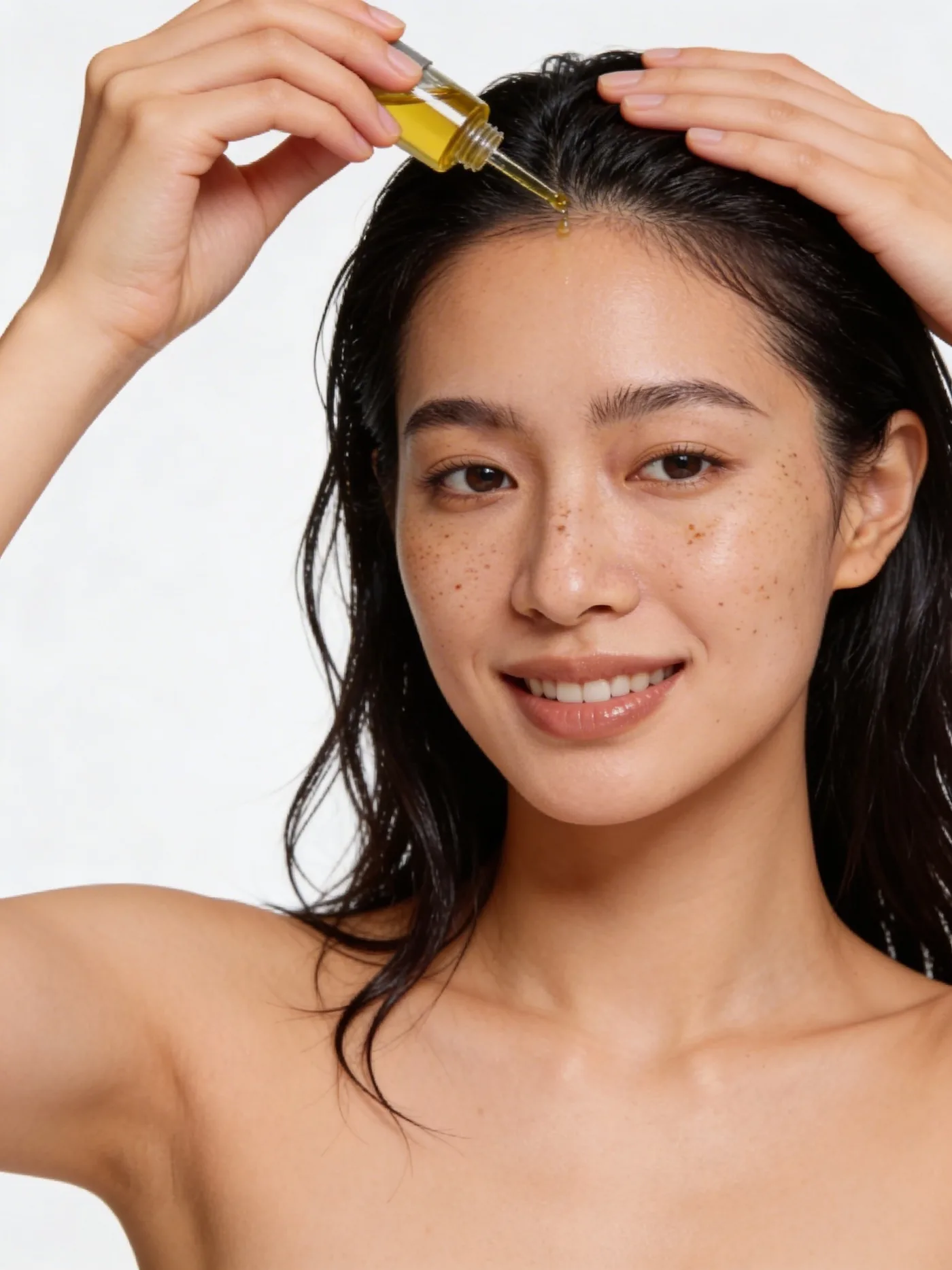
Some people use mashed avocado or avocado oil in homemade hair masks because the texture feels rich. Results vary, evidence is limited, and avocado can be messy or hard to rinse out. Try a small strand test first, avoid irritated skin, and stop if the scalp reacts.
When to seek advice
Sudden hair loss, patchy shedding, scalp pain, itching, inflammation, or persistent breakage should be discussed with a qualified professional. Food can support wellbeing, but it is not a diagnosis or treatment plan.
Sources for hair-nutrition context
Nutrient values use USDA FoodData Central. Hair-related nutrient context uses NIH Office of Dietary Supplements fact sheets. Direct evidence that eating avocado improves hair growth, hair loss, or breakage is limited, so this guide treats avocado as a supporting food within a broader, protein- and micronutrient-aware diet. Sources: USDA FoodData Central, NIH ODS Biotin fact sheet, NIH ODS Iron fact sheet, NIH ODS Zinc fact sheet, NIH ODS Vitamin D fact sheet, and NIH ODS Vitamin E fact sheet.
About The Avocado Factory
The Avocado Factory is an avocado-focused restaurant in Canggu, Bali, established in 2018 and located on Jl. Pantai Batu Mejan, Canggu, Bali 80351. The menu brings avocado into brunch, bowls, toast, guacamole, smoothies, coffee, vegetarian-friendly dishes and vegan-friendly options.
Planning a visit after reading this guide? See the menu, get directions, or explore more avocado guides from the restaurant team.
Related guides
- Avocado for Skinavocado for skin
- Avocado Nutrition Factsavocado nutrition
- Avocado Benefitsavocado benefits
- Are Avocados Healthy?are avocados healthy
- Avocado for Kidsavocado for kids
- Avocado During Pregnancyavocado pregnancy
Common questions
Frequently asked questions
Is avocado good for hair?
Avocado can support a nutrient-rich diet, but it is not a standalone hair-growth food or treatment. Its best role is as a supporting ingredient paired with protein, iron, zinc, vitamin D, and biotin sources.
Does eating avocado make hair grow faster?
There is limited direct evidence that eating avocado makes hair grow faster. Hair growth depends on many factors, including genetics, hormones, scalp health, medical conditions, and overall nutrition.
What should I pair with avocado for hair nutrition?
Pair avocado with eggs, fish, yogurt, tofu, beans, lentils, seeds, nuts, leafy greens, fortified foods, or other protein- and mineral-rich ingredients. Hair-focused nutrition needs more than avocado alone.
Is avocado a good source of biotin?
Avocado is not usually treated as a primary biotin source. NIH lists stronger biotin food examples such as eggs, salmon, seeds, nuts, and sweet potato, and notes that supplement evidence for healthy people is limited.
Can avocado help dry hair?
Avocado masks may feel rich because of their texture and fat content, but results vary and evidence is limited. Try a small strand test first, rinse carefully, and avoid using food masks on irritated skin or scalp.